
An event budget should account for all the costs involved in planning, producing, and executing your event. Major categories include venue and meeting space, food and beverage, audiovisual and production, event technology, speakers and entertainment, travel, transportation, and accommodations. You should also budget for staffing, marketing and communications, creative and signage, registration, security, vendor fees, and contingency funds for unexpected expenses.
How you allocate your budget depends on your event goals, format, size, and location. A sales kickoff might require more investment in general session production and activities that motivate the team, while a leadership retreat might prioritize accommodations and facilitated discussions. Identifying your priorities early helps you direct spending toward the elements that matter most.

Those priorities are even more important when costs rise faster than budgets. Event research suggests that 71% of event professionals expect event costs to keep increasing in 2027, while only 6.5% anticipate a significant budget increase. Building a detailed budget helps planners prepare for these pressures, anticipate expenses, and make informed trade-offs.
Quick Links
- What Are the Main Categories in a Corporate Event Budget?
- What Event Costs Are Commonly Overlooked?
- Should an Event Budget Include a Contingency Fund?
- How Can You Prioritize an Event Budget?
- How Can an Event Planning Partner Help Manage the Budget?
- Frequently Asked Questions About Event Budgets
What Are the Main Categories in a Corporate Event Budget?
A corporate event budget typically includes venue, food and beverage, production, event technology, registration, speakers and entertainment, travel, accommodations, staffing, creative, and marketing and communications. Depending on the event’s format, goals, and complexity, additional categories may also be needed.
Organizing expenses into categories helps you forecast spending, track commitments, and identify where adjustments may be needed. For each expense, record the estimated cost, committed amount, and final charge. Keep the budget breakdown in one shared place, so everyone works from the same numbers.
A strategic event planning partner like Bishop-McCann helps organizations evaluate event needs and anticipate costs, building budgets that reflect their program priorities. The following categories provide a starting point for estimating expenses and tracking spending as plans develop.
Venue and Meeting Space
Venue costs include more than the rental rate. When comparing venue quotes, check whether breakout rooms are included and how much time your team has for setup and teardown. Factor in furniture and equipment rentals, service charges, internet costs, taxes, administrative fees, and any required permits or venue-specific insurance.
Keep in mind that venues with similar rental rates can have very different total costs, depending on what’s included in the contract. Review complete proposals and contract terms as part of your broader event budgeting strategy to determine which space best fits your needs and budget.
Food and Beverage
Estimate food and beverage costs based on expected attendance at each meal or function. Attendance can vary by meal or function, so estimate F&B costs based on expected participation at each. Budget for meals, snacks, and refreshments, along with potential bartending and service staff.
Confirm any costs for dietary accommodations, service charges, and gratuities. Ask when you must provide the final head count and whether you can adjust it afterward. Venues and caterers may charge for the guaranteed number of guests even if fewer people attend, so plan accordingly.
Audiovisual and Event Production
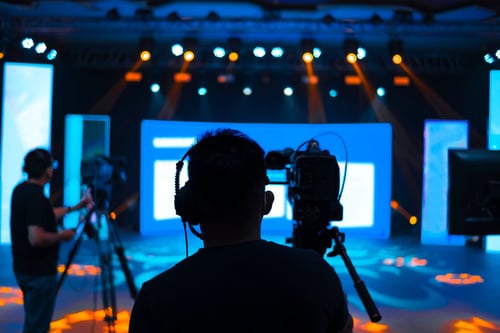
Your production budget should reflect the technical requirements of each session and the overall event. Use those requirements to determine the audio, microphones, lighting, video, staging, screens, and any other equipment needed. If the event calls for custom stage design or construction, include those costs here as well. Budget for the crew time and technical support needed to set up, rehearse, and run each session. If you plan to livestream or record sessions, confirm those requirements and costs before approving the package.
Event Technology and Registration
Consider what event tech could enhance your attendees' overall event experience. Registration platforms and event websites allow attendees to register and prepare for the event, while badge printing and check-in tools make for a smooth, efficient arrival. A mobile app can help attendees find sessions, navigate the venue, and stay informed about any updates or schedule changes.
Choose audience engagement, lead capture, reporting tools, and other tech needs based on your event goals. Before purchasing additional features or software, check what your existing event technology already offers. Overlapping systems can increase costs without improving the experience.
Speakers, Entertainment, and Programming
Budget beyond the speaker’s or performer’s appearance fee. Include travel and accommodations, along with any costs for coordinating speakers, developing presentation content, and hiring facilitators or sourcing materials for workshops and other interactive sessions.
If you plan to record a session or reuse the content after the event, confirm any licensing or usage fees upfront. Review technical requirements with your production team before booking talent, so you can factor additional equipment and support costs into your budget.
Travel, Transportation, and Accommodations
Determine whose travel your organization will cover, then estimate airfare and hotel costs for that group. Account for baggage fees and other travel expenses, as well as transportation between the airport, hotel, and event venue. Include airport transfers, shuttles, parking, and any VIP transportation needs, including travel for speakers or other program participants whose expenses your organization will cover.
Confirm whether transportation providers charge for wait time or require minimum booking periods, as both can increase the total transportation cost beyond the initial quote. Review hotel attrition, cancellation, and room-block terms to understand potential fees if pickup falls short of the contracted commitment or plans change.
Staffing and On-Site Support
Staffing starts before check-in opens and continues after the final session, so build your estimates around the full schedule, including setup, check-in, sessions, and teardown. Account for event management staff, registration support, production crews, security, and medical personnel where appropriate, as well as staff travel and accommodations.
Before finalizing the budget, confirm which personnel are included in vendor agreements to avoid duplicate charges. Make sure staffing levels and responsibilities are clearly defined, so every stage of the event has the support it needs.
Creative, Signage, and Event Branding
Plan signage and design around how attendees will navigate and experience the venue. Directional signs help people find their way, while graphics and branded installations give the space a cohesive look and feel.
Budget for creative design, printed materials, digital displays, and décor, including delivery, installation, and removal. Coordinate with your production team to clarify which costs fall under creative design and which belong to production, such as stage construction and technical setup. This helps prevent overlapping expenses in your budget.
Bishop-McCann’s creative team helps clients balance creative ambitions with practical budget considerations, aligning design choices with event goals and available funds.
Marketing and Attendee Communications
Budget for invitations, email communications, promotional materials, website content, and social media. For photography and videography, specify what needs to be captured and which deliverables you expect, such as edited photos, highlight videos, or session recordings. Clear expectations help vendors provide accurate quotes.
If your event includes attendees who speak different languages or have accessibility needs, account for translation, interpretation, captioning, and other communication accommodations where appropriate. Consider post-event content distribution, such as sharing session recordings or recap materials, when estimating the full cost of your communications plan.
Coordinate budgets across teams to avoid duplicating expenses that may fall under multiple categories.
What Event Costs Are Commonly Overlooked?
Commonly overlooked corporate event costs include additional vendor fees, contractual penalties, labor and equipment charges, and other expenses that may not be reflected in initial quotes. Additional fees and behind-the-scenes services often explain why the final invoice exceeds the original estimate. Ask what a proposal excludes before approving it.
Even small charges can add up across multiple vendors, leaving less money for other priorities. Request itemized proposals and confirm any outstanding costs, including:
- Additional transportation and staff travel
- Cancellation or change fees, including hotel attrition penalties
- Internet, electrical, furniture, and equipment rental charges
- Any last-minute printing
- Additional labor, setup and teardown, security, and cleaning fees
- Permits, insurance, and accessibility-related expenses
- Shipping and drayage, including the handling of materials delivered to the venue
- Taxes, service charges, and gratuities
Should an Event Budget Include a Contingency Fund?
Yes, include a contingency fund when creating your event budget. The fund helps cover unexpected expenses and last-minute changes without forcing you to cut spend elsewhere. Base the amount on your program’s size, complexity, location, and risks. For instance, an event across several venues may need more backup transportation and staffing than a gathering in one location.
Start by identifying the disruptions most likely to affect your event, estimating the cost of addressing them, and determining who can approve spending from the reserve.
For example, changes in attendance can affect food and staffing costs, while weather disruptions, speaker substitutions, and technology problems may require last-minute services at additional expense. Keeping these funds available for unforeseen needs can help you manage disruptions without diverting money from other event priorities.
How Can You Prioritize an Event Budget?
Prioritize spending according to your objectives and what attendees need from the event. Think beyond the budget to potential ROI and business impacts, focusing on the investments that will deliver the greatest value for your organization and attendees.
Before reducing an expense, consider how the change could affect the event. Fewer registration staff might mean longer lines, while simplifying a decorative installation could free up money without disrupting the program. This is value engineering: finding efficiencies while protecting your event's quality and impact. According to Cvent, “Instead of asking, ‘How much does this cost?' the better question is, ‘What outcomes does this enable?’”
Strategic sourcing, right-sized production, and efficient staffing make the most of limited budgets. By reviewing costs against your priorities, you can direct spending toward the elements that deliver the greatest value.

How Can an Event Planning Partner Help Manage the Budget?
An experienced event planning partner builds realistic estimates, spots overlooked expenses, and helps your team understand how decisions affect the overall budget. That support starts with comparing venue and vendor proposals, reviewing contracts, and finding ways to make your budget go further.
As planning progresses, your partner tracks spending against estimates and confirms the cost of any changes that may arise. If priorities shift, they can recommend where to reallocate funds while explaining how those adjustments may affect the event.
Bishop-McCann brings this kind of budget guidance to every stage of event planning, working alongside your team to navigate vendor proposals and contracts, manage costs, and prioritize spending. With the right support, you can make informed decisions that keep your event aligned with its goals and deliver value for your organization and attendees.
Connect with the BMC team to help you plan strategically, navigate costs, and make informed budget decisions.

Frequently Asked Questions About Event Budgets
How much should you budget for a corporate event?
There is no single, standard budget for a corporate event. Total costs depend on factors such as attendance, location, program length, venue, food and beverage, production requirements, technology, travel, staffing, and the level of experience you want to create. Start by defining the event’s objectives and attendee needs, then build estimates for each major expense category. Comparing those estimates with available funds helps identify where to invest, where to find efficiencies, and where additional resources may be needed.
When should you create an event budget?
Create an initial event budget as soon as the event’s goals, approximate size, format, and timing are established. An early budget helps guide venue sourcing, production planning, vendor selection, and other major decisions before commitments are made. Treat the budget as a working document throughout planning, updating estimated, committed, and actual costs as contracts are signed and program details change.
How often should you update an event budget?
Review your event budget regularly throughout planning, and update it whenever a vendor quote, contract, attendance estimate, or program change affects projected costs. Increase the frequency of reviews as the event approaches and more expenses become finalized. Track estimated, committed, and actual costs separately, so you can spot variances and adjust spending before they affect other priorities.
How can you reduce event costs without impacting the attendee experience?
Start with expenses that have less impact on the event’s objectives and attendee experience. Strategic sourcing, contract negotiations, right-sized production, efficient staffing, and eliminating overlapping technology can create savings without reducing program quality. Value engineering can also help identify simpler alternatives: for example, modifying décor or creative elements rather than reducing attendee-facing services that affect registration, transportation, content, or engagement.