
Corporate event planning means juggling vendors, timelines, budgets, and expectations. Incorporating a connected theme can seem like an added challenge, but maintaining thematic consistency is one of the greatest opportunities to elevate event design. However, even the strongest themes can lose momentum as ideas move from initial strategy into execution across multiple teams and touch points.
This guide delivers a framework for maintaining consistency across every touchpoint, without added complexity.
Quick Links
-
Why Consistency Matters for Corporate Event Planning Themes
- Where Event Themes Break Down (Common Gaps)
- The Core Framework: How to Carry Conference Theme Ideas Across Every Touchpoint
- Key Event Touch points to Reinforce Your Theme
- Examples of Corporate Event Themes Done Well
- Common Mistakes to Avoid
- What Makes a Successful Corporate Event Theme
- When to Bring in an Event Partner
- Frequently Asked Questions About Corporate Event Theme
Why Consistency Matters for Corporate Event Planning Themes
A corporate event theme is a unifying concept that aligns messaging, design, and attendee experience across every interaction, ensuring a cohesive and memorable event.
While décor addresses the visual environment, a truly integrated theme shapes the entire attendee experience. When a conference theme is woven consistently through every touchpoint, it creates a deliberate, cohesive atmosphere that guests notice immediately.
- Better engagement and recall: A unified theme acts as a "mental anchor," ensuring attendees retain your core messages long after the event.
- Greater brand credibility: Consistency signals a level of professionalism and attention to detail that reinforces your brand’s leadership.
- Stronger attendee experience: When every element is connected, the event moves from a series of sessions to a cohesive brand story, creating an immersive, seamless event.
Where Event Themes Break Down (Common Gaps)
Even with a strong concept in place, themes often lose impact during execution. One of the biggest gaps in event themes is limited integration. The theme appears in the logo or stage design, but isn’t carried through the attendee journey, content, or environment. This results in an experience that feels less unified and intentional:
- Lack of clear creative direction: Without defined guidance for visuals, messaging, and tone, teams and vendors may interpret the theme differently, leading to inconsistencies across moments.
- Visually strong but experientially weak: Design elements may look polished, but without connection to programming, content, or attendee engagement, the theme doesn’t fully come to life
- Messaging and theme misalignment: When communication and content don’t reinforce the theme, the overall experience can feel disconnected from its purpose.
The Core Framework: How to Carry Conference Theme Ideas Across Every Touchpoint
Carrying a theme across an event is about clarity, not complexity. The right structure grounds decisions in a shared direction. This framework shows you how to translate corporate event themes into a consistent, authentic experience.
Step 1: Start with a Clear Theme Strategy
Define the event’s purpose, audience, and desired outcomes. Then, tie the theme directly to your business goals so it becomes a filter for every decision—not just a creative idea. Also, consider your specific audience when choosing the theme of your event to ensure it will resonate with them.
Step 2: Translate the Theme into Visual and Verbal Guidelines
Turn the theme into clear, actionable directions across visuals, event voice and tone, and core messaging pillars. When expectations are established early, teams can execute with confidence rather than relying on interpretation.
Step 3: Align All Stakeholders Early
Unify internal teams and vendors under a single creative brief that includes not just signature graphics and your color palette, but also strategic messaging that supports your business objectives. This early alignment eliminates the friction of miscommunication and costly rework, protecting the event’s integrity from day one.
Step 4: Map Every Event Touchpoint
Map the entire attendee journey (from pre-event communication to post-event follow-up) and identify where the theme will show up in each touchpoint. This ensures the theme is experienced consistently, not applied in isolated moments.
Step 5: Execute with Consistency
Develop a set of core design assets that can be repeated throughout the program. Then establish simple, scalable guidelines, so every team member and vendor stays aligned, regardless of the event's size.
Key Event Touch points to Reinforce Your Theme
Once a conference theme is defined, carry it through the attendee journey by being intentional about where and how it shows up.
Pre-Event Touch points
Set expectations early by introducing the theme before attendees arrive, building expectations, and creating a clear through line.
- Event communications: Reinforce the theme using consistent tone, language, and visuals through all attendee communications, such as pre-event marketing materials and emails.
- Event apps and websites: Use design, navigation, and messaging to reflect the theme from registration onward.
- Social promotion: Extend the theme through consistent visuals, hashtags, and messaging.
On-Site Touchpoints
Bring the theme to life through what attendees see, hear, and experience. This is where consistency has the greatest impact.
- Signage and stage design: Carry your signature graphics and color palette through signage and stage design to provide a continuous, cohesive visual anchor.
- Activations and environments: Design interactive moments and spaces that reflect the theme and encourage participation.
- Curated gifting: Select items that serve as tangible extensions of the theme, ensuring your appreciation feels connected to the event’s story rather than a generic add-on.
- Sensory elements: Use lighting, sound, and even scent to immerse attendees in the theme. For example, use crisp, blue tones and techno beats for an innovation-inspired theme, or warm amber lighting and acoustic textures for a theme related to human connection.
- Session content: Ensure keynote presentations and breakout messaging use the same vernacular and strategic messaging that you establish in your creative brief.
Post-Event Continuity
Extend the theme’s impact long after the final session. By carrying the thematic narrative into follow-up content and targeted outreach, your event becomes a continuous growth engine that reinforces key takeaways.
- Strategic content recaps: Use theme-based storytelling to anchor your message and repeat those elements when recapping. Forbes notes that tapping into attendees’ emotions through storytelling makes them “more likely to engage, remember, and act on the content that is shared.” Additionally, utilizing key visuals to anchor critical moments creates a mental shorthand that can be used during post-event outreach.
- Follow-up communications: Maintain the event’s specific tone and messaging in all follow-ups to ensure a seamless transition from the live experience to the inbox.
- Ongoing engagement: Use the event theme as a framework for future communications, ensuring every touchpoint feels like a deliberate continuation of the initial conversation.
Examples of Corporate Event Themes Done Well
The difference between a strong idea and a seamless brand experience lies in the depth of its execution. The most effective events don’t simply introduce a theme; they embed it into every aspect of the program.
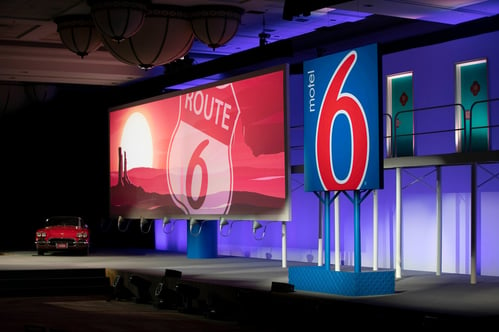
Bishop-McCann applied this principle of thematic continuity to help a hospitality client drive brand alignment with its franchise partners. In our G6 Hospitality case study, we worked to develop a “Route 6” theme for their franchise conference, strategically reimagining the legacy of Route 66 to align with the brand’s identity. Our team ensured the narrative extended beyond surface-level visuals, intentionally shaping the stage design, messaging, and environment to provide continuity across the entire attendee journey.
We also apply this level of thematic integration to incentive travel to create deeper emotional connections. For a Verizon incentive program in the Bahamas, the theme was inspired by the destination and carried throughout the week. This culminated in a Junkanoo-inspired finale, where music, movement, and design converged to create an authentic cultural experience tying into the theme.
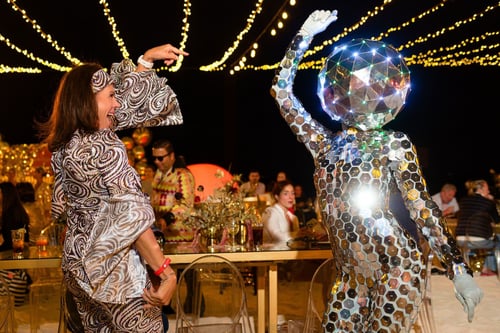
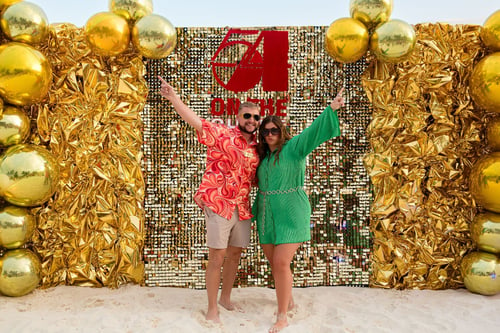
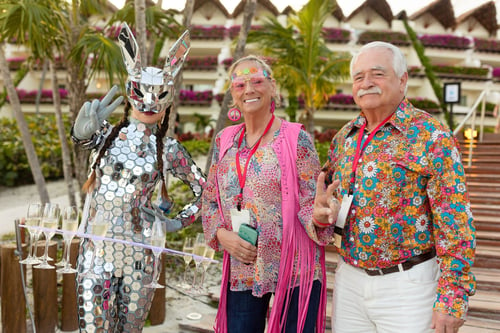
This level of integration also offers the flexibility to evolve a theme for specific events, keeping the experience fresh. For one beach reception created by our team, we designed “Studio 54 on the Shore.” By introducing disco-inspired design and interactive performers, we created a unique sensory moment while still complementing the overall program. From retro-inspired attire to live “disco ball” dancers, every detail was a deliberate extension of the program’s framework.
Across each example, the theme goes beyond décor; it’s integrated into messaging, environment, and experience, ensuring every engagement feels connected.
Common Mistakes to Avoid
Even with a strong framework in place, a few missteps can quickly break consistency. Most come down to treating the theme as an isolated element instead of a guiding strategy:
- Failing to communicate expectations clearly: Without clear direction, teams and vendors interpret the theme differently, leading to inconsistencies.
- Inconsistency across touch points: Failing to carry the theme through every stage of the attendee journey can dilute the overall impact and create a disjointed experience.
- Not aligning the theme with business goals: A theme that isn’t tied to the event's purpose can feel disconnected from overall objectives.
- Treating the theme as décor only: Focusing only on visuals limits impact and prevents the theme from shaping the full attendee experience.
- Ignoring post-event touch points: When the theme ends at the closing session, the opportunity to reinforce messaging and extend engagement is lost.
What Makes a Successful Corporate Event Theme
Successful corporate event theme ideas are more than a creative direction. They are a clear, intentional thread that connects every part of the conference planning experience, including:
- Clear purpose and alignment: The theme is tied directly to business goals, audience needs, and the outcomes the event is designed to achieve.
- Consistency across all elements: Visuals, messaging, and experiences work together to reinforce the same idea at every interaction.
- Measurable impact: The theme supports engagement, reinforces key messages, and contributes to outcomes that can be tracked.
- Strong attendee experience: Every detail feels connected, creating an immersive, memorable, and easy-to-navigate experience.
When to Bring in an Event Partner
As the event scope expands, maintaining a consistent theme across every aspect becomes more complex. Aligning teams, vendors, and timelines requires clear direction and disciplined execution.
An experienced partner like Bishop-McCann reduces that complexity. With a defined creative strategy, centralized alignment, and hands-on execution support, your team can stay focused on priorities while ensuring every detail reflects event intentions.
Looking to create a cohesive, engaging event experience? Connect with us to bring your corporate event theme to life across every touchpoint.
Frequently Asked Questions About Corporate Event Themes
These common questions address how to create and maintain a cohesive event theme across every moment.
How Do You Create a Corporate Event Theme?
Start with your event’s purpose, audience, and desired outcomes. A strong theme is rooted in business goals, then translated into clear visual, verbal, and experiential elements that guide every decision.
How Do You Keep an Event Theme Consistent Across Touchpoints?
Consistency comes from clear guidelines and early alignment. Define visual and messaging standards, share them across teams and vendors, and apply them across pre-event, on-site, and post-event touchpoints.
What Are Examples of Corporate Event Themes?
Themes can range from brand-driven concepts to destination-inspired experiences. Examples include heritage-based themes, cultural integrations, or sub-themes that support specific moments within a larger event.
Why Is Event Branding Important for Conferences?
Event branding creates a cohesive experience that strengthens engagement, reinforces messaging, and improves how attendees remember and connect with the event.
