
Life sciences event planning sits at the intersection of strategy, science, compliance, and experience design. For event planners supporting pharmaceutical, biotech, and medical organizations, these programs are highly regulated, high-stakes environments.
As life sciences organizations face compressed timelines and rising expectations from internal and external stakeholders, understanding what differentiates this type of planning from standard corporate meetings has never been more important.
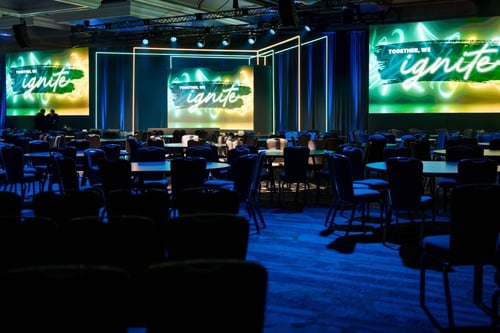
Below, we break down what life sciences event planning truly entails, why it requires specialized expertise, and why partnering with an experienced agency is essential.
Quick Links
-
How Life Sciences Events Differ from Standard Corporate Events
-
When Life Sciences Teams Should Use a Specialized Event Partner
What Is Life Sciences Event Planning?
Life sciences event planning focuses on designing, managing, and executing meetings and events for pharmaceutical, biotech, and medical organizations within regulated environments. This type of event planning is a specialized discipline that requires managing scientific accuracy, compliance, and complex stakeholder needs.
Unlike traditional event management, success in life sciences planning is not measured solely by attendee satisfaction or flawless production. It is also measured by alignment across teams, accuracy of content and messaging, structured processes, and actionable outcomes — all delivered through a seamless meeting experience.
Life sciences events can include a variety of attendees, such as internal medical teams, commercial and sales leadership, compliance stakeholders, healthcare professionals, investigators, executive leadership, and external stakeholders.
Each audience brings distinct expectations, approval processes, and risk considerations that must be addressed well before an event begins.
How Life Sciences Events Differ from Standard Corporate Events
Standard corporate events prioritize speed, flexibility, and creativity. While those elements still matter in life sciences, they also face a more structured planning environment. Key differences include:
Regulatory Oversight and Approval Layers
Life sciences meetings operate within structured regulatory and corporate governance frameworks that influence everything from content development and messaging to speaker participation and budget oversight. Materials often require medical, legal, and regulatory review, adding time and complexity to planning cycles.
Higher Risk Exposure
Life sciences meetings carry higher stakes than general corporate meetings because misalignment or miscommunication can impact strategic decisions, stakeholder confidence, and program outcomes. Errors can result in budget overruns, delayed approvals, or misaligned messaging across teams.
Cross-Functional Stakeholder Coordination
Life sciences events often involve multiple teams with differing objectives and priorities. Coordinating approvals, agendas, and messaging across departments adds complexity that requires careful planning and proactive communication.
Longer Timelines and Contingency Planning
Life sciences events require deeper advanced planning, built-in review buffers, and contingency strategies to account for evolving policies, content updates, and stakeholder availability. Traditional event planning approaches often fall short in environments where precision, alignment, and accountability are non-negotiable.
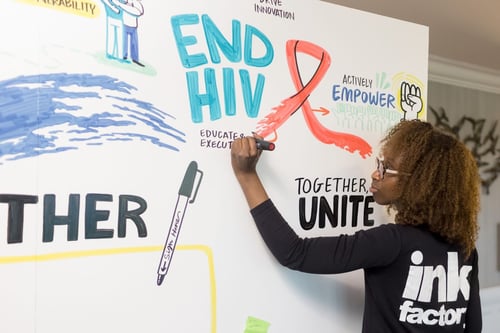
Preparing for Life Sciences Meeting Audiences
Life sciences events bring together highly specialized professionals with distinct priorities, pressures, and perspectives. Each attendee brings a different level of subject-matter expertise; however, they all have clear expectations about how information should be presented and applied. Because of this, preparation begins well before content development. Successful meetings require:
Clear Alignment on Objectives
Before agendas are drafted, leadership must define what success looks like. Is the goal to prepare a product for launch? Introduce a new strategic direction? Reinforce compliance standards? Without shared clarity, content can quickly become fragmented or overly dense.
Audience Segmentation
Not every attendee needs the same level of scientific detail or operational instruction. Breakout sessions, role-based tracks, and tiered content ensure relevance while preventing cognitive overload.
Strategic Content Design
Life sciences professionals expect substance, so consider balancing scientific detail with clarity and storytelling. Incorporating a human-centric approach (one that prioritizes attendee experience) makes your sessions more impactful. Presentations should translate complex information into actionable guidance that teams can confidently execute.
Intentional Space for Dialogue
Stakeholders often carry unspoken concerns about feasibility, timelines, or risk. Structured Q&A sessions, moderated discussions, and feedback loops create space for alignment and reduce friction after the event.
Operational Preparation
Life science programs require coordination across a variety of teams. Building in review timelines, approval checkpoints, and contingency plans ensures the meeting runs smoothly and supports organizational confidence.
When thoughtfully prepared, life sciences meetings do more than disseminate information. They create alignment and equip teams with the clarity and confidence needed to execute strategy in complex environments.
When Life Sciences Teams Should Use a Specialized Event Partner
Internal teams often manage life sciences events successfully, but often external expertise becomes essential.
Common indicators that internal life sciences teams need support include:
- Limited internal bandwidth to manage layered approvals
- High regulatory or reputational risk
- Multi-stakeholder programs requiring coordination across departments
- Global or multi-market execution
A specialized event partner brings execution strength and strategic coordination, helping internal life sciences teams align stakeholders, manage complexity, and deliver programs with clarity and consistency.
Rather than navigating challenges reactively, experienced partners build structured planning processes that support smoother programs and more confident leadership decision-making.

How Bishop-McCann Supports Life Sciences Event Success
Bishop-McCann approaches life sciences event planning as a strategic partnership, not a transactional service.
Tailored Planning for Complex Programs
Programs are designed with regulatory requirements and frameworks embedded from the outset. For internal pharmaceutical meetings, this means aligning medical, legal, regulatory, and commercial stakeholders early in the planning process, so approvals move efficiently and execution remains audit-ready.
Stakeholder Coordination
Our team acts as an extension of internal teams, aligning medical, legal, regulatory, and commercial stakeholders around shared objectives.
Seamless Execution and Operational Excellence
From logistics to final delivery, every detail is managed with precision to ensure consistency, clarity, and a smooth experience for internal stakeholders. Even in highly regulated environments, Bishop-McCann prioritizes meaningful experiences that foster connection, learning, and engagement.
Life sciences event planning is fundamentally different from standard corporate meeting management. It demands specialized expertise that blends compliance, scientific accuracy, strategic insight, and execution excellence.
When these elements work together, organizations reduce risk, improve outcomes, and deliver programs that stand up to scrutiny while still engaging their audiences. Often, the right partner makes all the difference in helping you improve outcomes.
Want to speak with a team that brings specialized expertise and seamless event execution to life sciences programs? Then connect with Bishop-McCann.